Vampire Cut vs. Wolf Cut: Which 2026 Trend Fits Your Face Shape?
If you’ve been scrolling through Pinterest or TikTok lately, chances are your feed is full of two haircut trends fighting for your attention: the Vampire Cut vs Wolf Cut. Both are layered, both are bold, and both have a serious fan following in 2026. But they couldn’t be more different in personality — and in who they actually flatter.
So if you’re sitting in front of a mirror wondering which one to bring to your next salon appointment, this guide is for you. We’re breaking down everything — from the silhouette and texture to which face shapes each cut genuinely suits — so you walk away with a clear answer that works for your hair, not just what looks good on someone else’s Instagram.
Let’s settle the Vampire Cut vs Wolf Cut debate once and for all.
What Exactly Is the Vampire Cut?
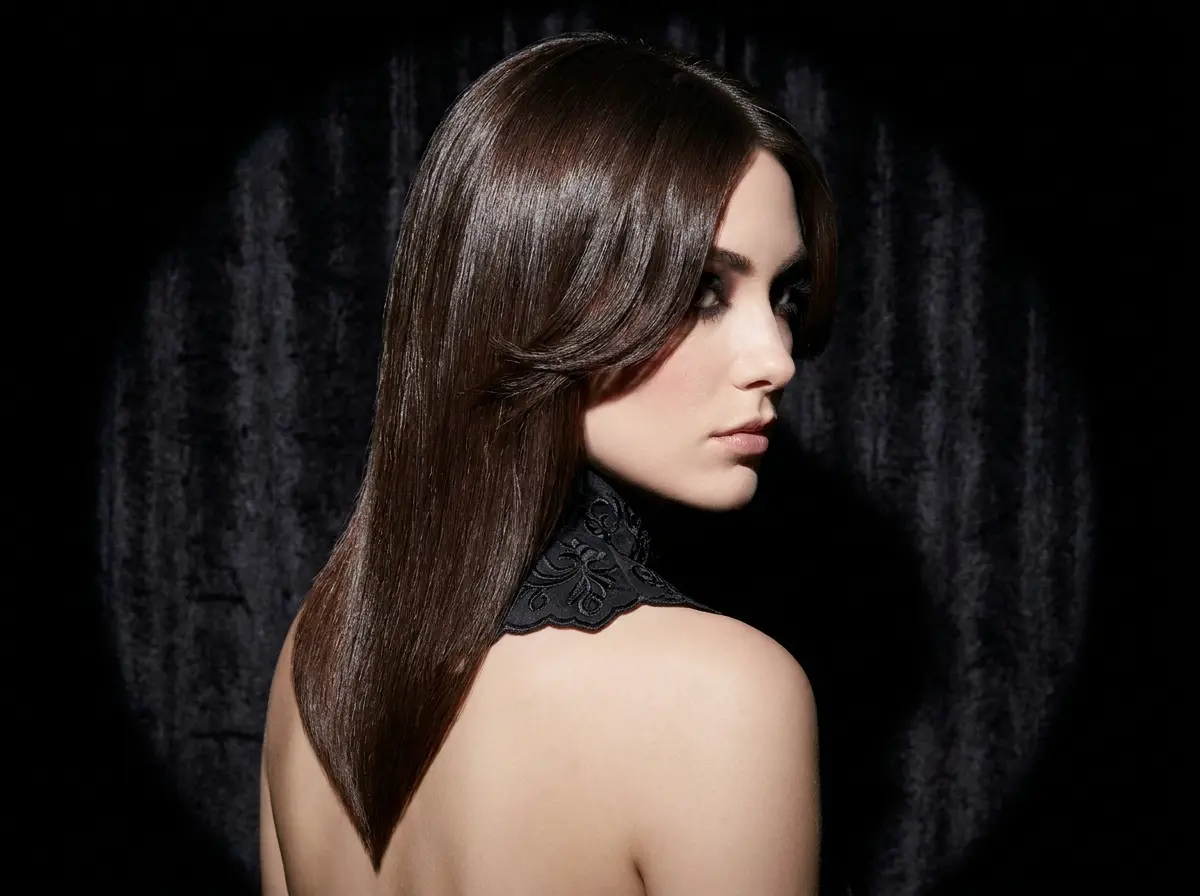
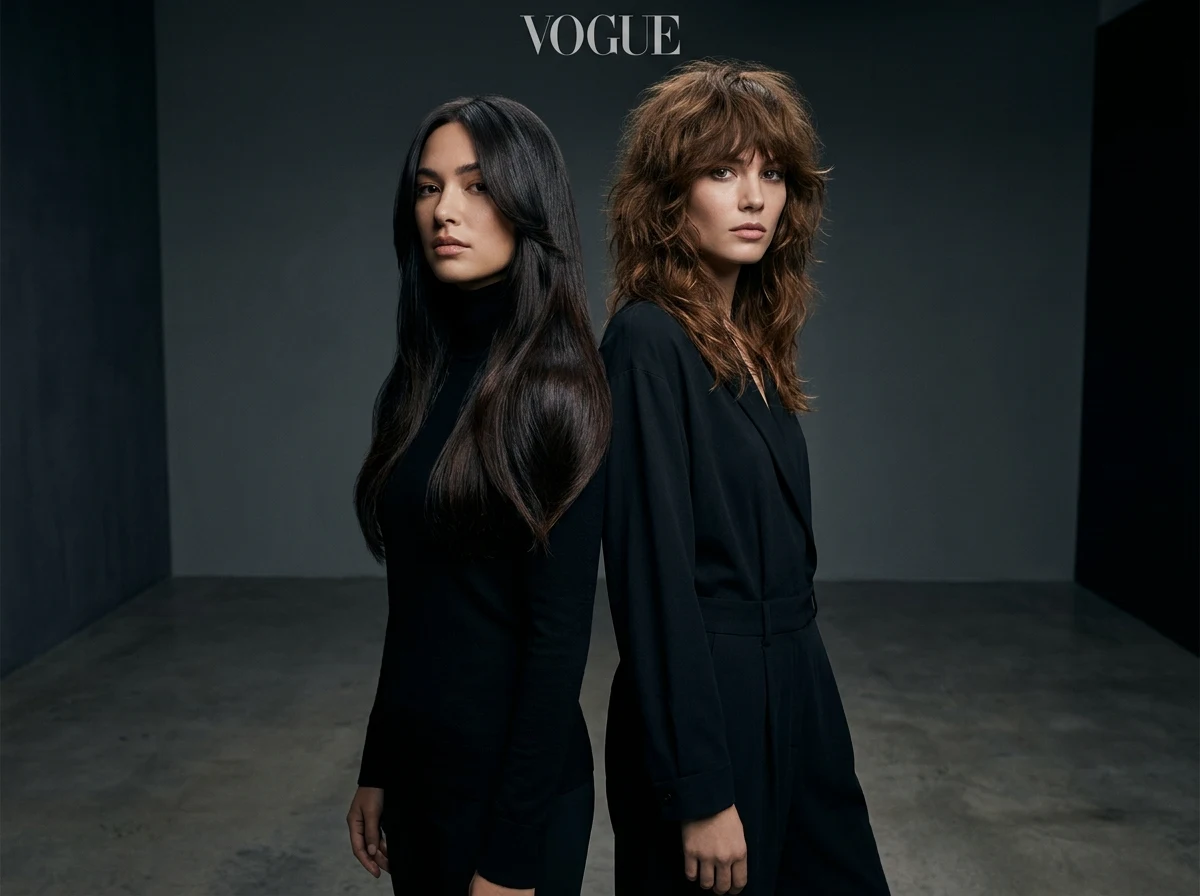
The Vampire Cut is having a serious moment right now, and honestly, it deserves it. At its core, this is a heavily layered haircut characterized by a dramatic V-shaped point at the back, deep curtain bangs or face-framing pieces, and long, cascading layers that taper toward the ends. Think old-world gothic elegance meets modern editorial hair — sharp, intentional, and undeniably dramatic.
The name comes from that signature V-point in the back, which resembles the dramatic widow’s peak and flowing cape silhouette associated with classic vampire imagery. Don’t let that description scare you off though. In real life — especially styled with a blowout or loose waves — the Vampire Cut looks sleek, mysterious, and genuinely stunning. It works on medium to long hair, typically starting from collarbone length and going all the way down to waist-length. The cut adds incredible movement and dimension, making even flat, fine hair look full and alive.
Stylists love it because it frames the face so intentionally. Those front layers fall around the cheekbones and jaw in a way that feels sculpted rather than accidental. If you’ve been wanting a haircut that actually does something — that shapes your face and makes you look like you tried even when you haven’t — the Vampire Cut is worth a serious conversation with your stylist.
What Exactly Is the Wolf Cut?
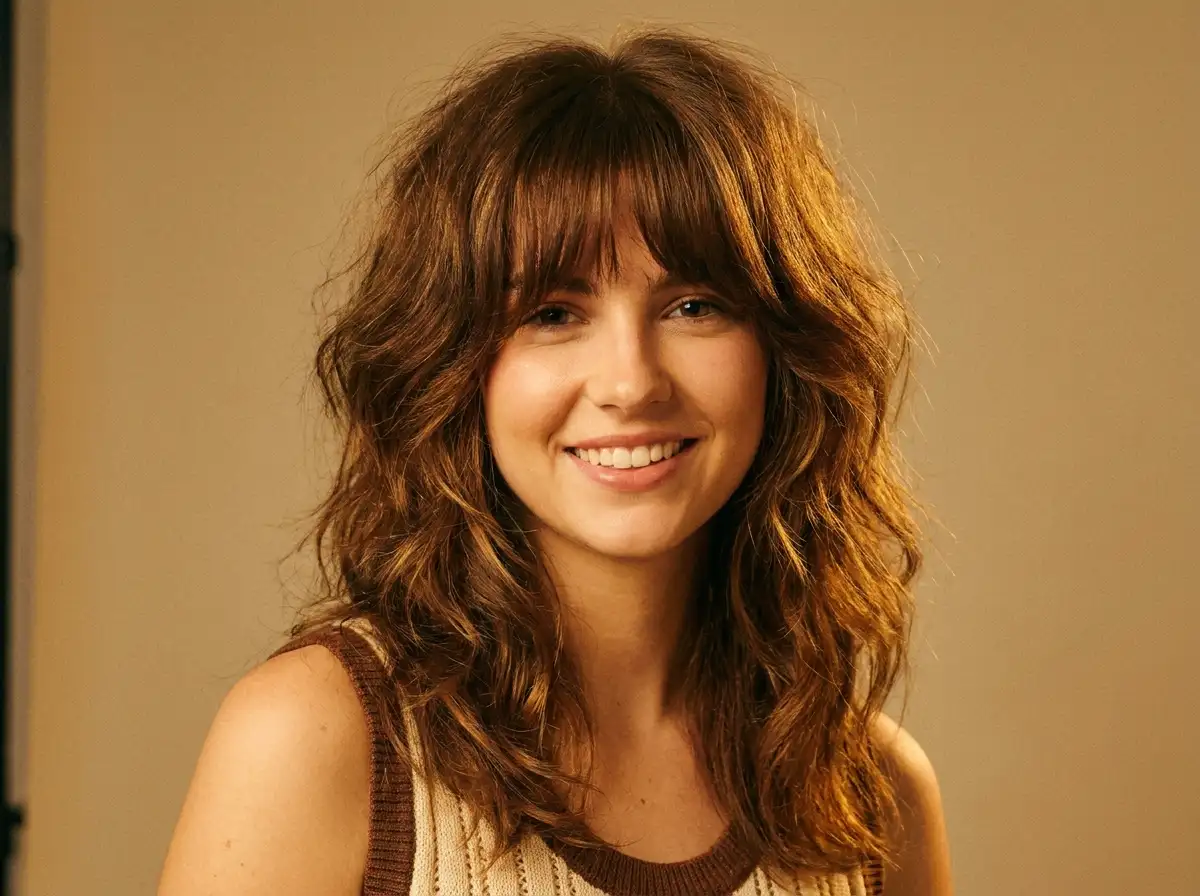
The Wolf Cut is the chaotic, effortlessly cool sibling in this rivalry. Born from a blend of the classic 70s shag and the mullet (yes, the mullet — but make it fashion), the Wolf Cut exploded on TikTok a few years back and has refused to leave. In 2026, it’s evolved into something slightly more refined, but the core DNA is still there: heavy layers, a voluminous crown, choppy ends, and a deliberately undone, textured look.
Where the Vampire Cut is all about precision and drama, the Wolf Cut is about freedom and movement. It’s the haircut for people who want to air-dry their hair and still look like they put in effort. The layers are disconnected and shaggy, creating that signature “I woke up like this but make it cool” energy. It typically works across all lengths — from shoulder-length to long — and it thrives on texture, which means wavy and curly hair types absolutely love it.
The Wolf Cut in 2026 has been refined into what many stylists are calling the “Polished Wolf” — the same voluminous, shaggy layers but with slightly cleaner ends and more intentional face-framing. It keeps the free-spirited attitude while growing up just enough to work in professional settings too. If the Vampire Cut is a black lace dress, the Wolf Cut is a vintage band tee tucked into tailored trousers — both stylish, just a completely different vibe.
Vampire Cut vs Wolf Cut: The Key Differences at a Glance
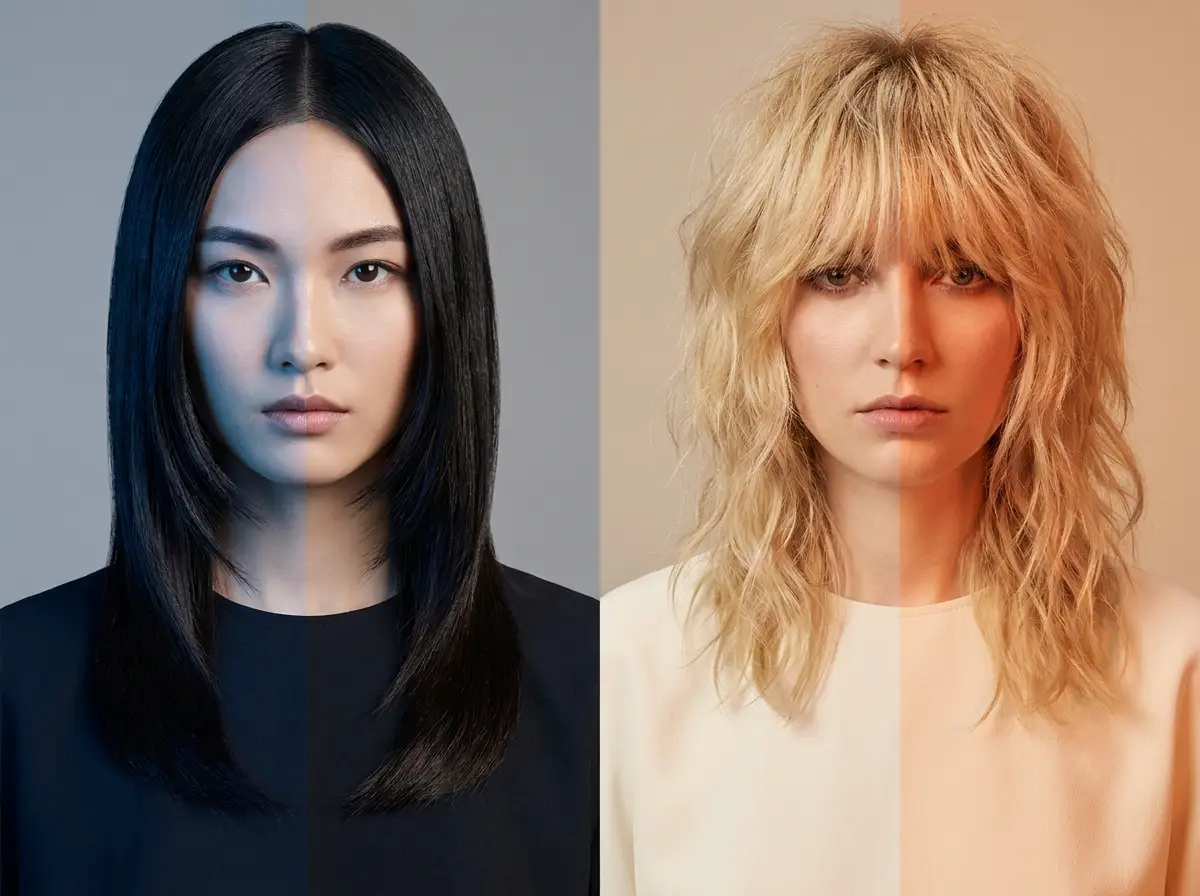
Before we get into face shapes, here’s a quick side-by-side breakdown so you can see exactly where these two cuts diverge.
| Feature | Vampire Cut | Wolf Cut |
|---|---|---|
| Silhouette | Sleek, V-shaped, elongated | Voluminous, rounded, shaggy |
| Layers | Long, cascading, graduated | Disconnected, chunky, textured |
| Back shape | Dramatic V-point | Rounded or lightly U-shaped |
| Vibe | Editorial, polished, dramatic | Relaxed, textured, effortless |
| Best hair texture | Straight, wavy, fine | Wavy, curly, thick |
| Maintenance | Moderate (every 6–8 weeks) | Low to moderate (grows out well) |
| Styling effort | Medium — benefits from blowout | Low — air-dry friendly |
Both cuts are layered, face-framing, and deeply trendy in 2026. The difference comes down to the finish: one is sharp and intentional, the other is textured and free. Now let’s figure out which face shape actually benefits from each.
Which Face Shapes Suit the Vampire Cut?

The Vampire Cut vs Wolf Cut conversation gets really interesting when you bring face shapes into it — because this is where one can be genuinely more flattering than the other for your specific features.
The Vampire Cut is especially well-suited for oval, long, and heart-shaped faces. Here’s why:
Oval face shapes are the lucky ones — almost every haircut works, and the Vampire Cut is no exception. The long layers and V-back complement the balanced proportions of an oval face perfectly, adding length and drama without throwing anything out of balance.
Heart-shaped faces (wider at the forehead, narrower at the chin) absolutely thrive with the Vampire Cut’s deep face-framing layers. Those long front pieces draw the eye downward and add visual weight around the jawline, creating the illusion of a more balanced proportion between the top and bottom of the face.
Long or rectangular faces can also pull off the Vampire Cut beautifully, especially when the stylist incorporates face-framing layers that hit at cheekbone level. This adds width visually and prevents the V-back from making an already-long face look even more elongated.
Round faces can wear the Vampire Cut too, but it works best when kept longer (below the collarbone) and styled straight or with loose waves rather than voluminous curls, which can add undesired width.
Square faces benefit from the softness the Vampire Cut’s layers create around the jaw — but ask your stylist to keep the face-framing pieces long enough to skim below the jawline to avoid accentuating its squareness.
Which Face Shapes Suit the Wolf Cut?
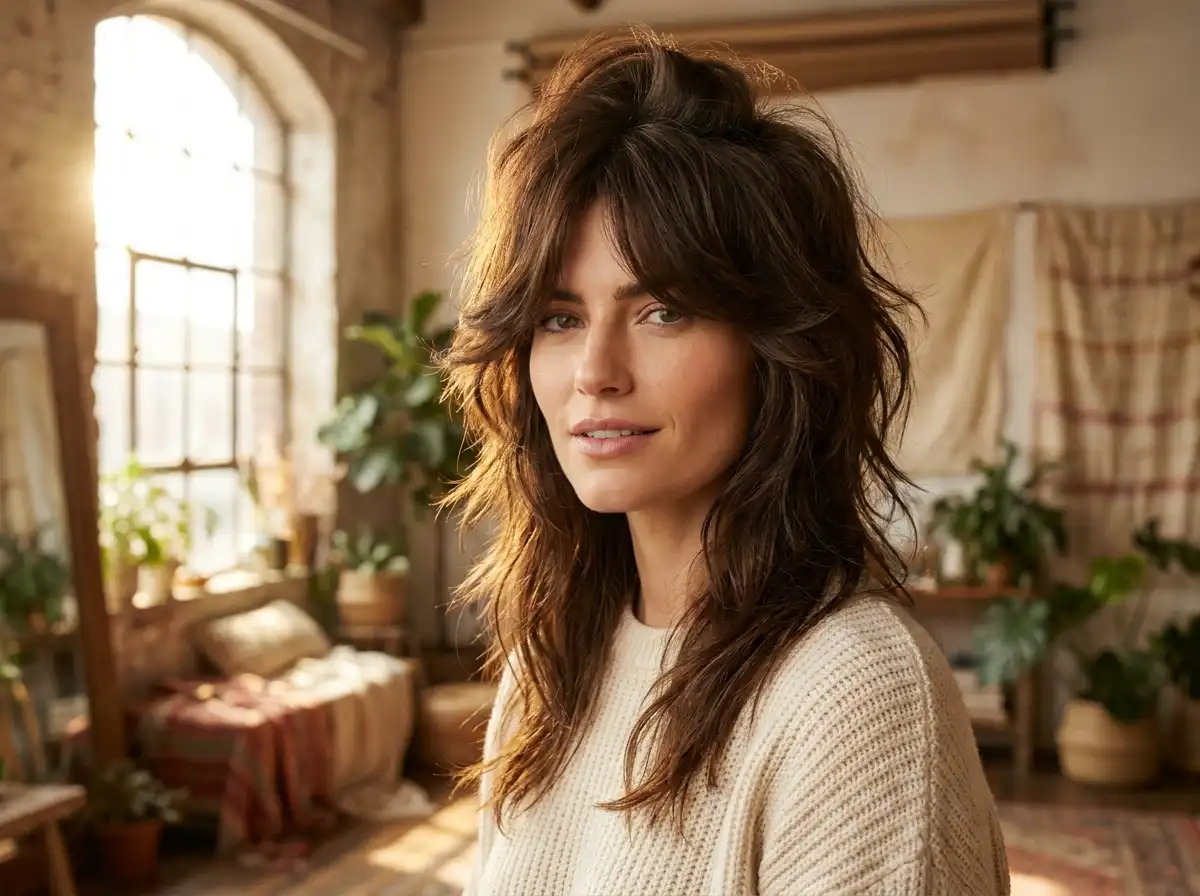
The Wolf Cut is one of the more versatile haircuts of this era, but it genuinely shines on certain face shapes more than others. Its high-volume crown and soft, shaggy layers make it a natural fit for faces that benefit from added width and movement at the top.
Round faces are actually great candidates for the Wolf Cut, surprisingly. The volume created at the crown by all those disconnected layers draws the eye upward and elongates the face, while the choppy ends at the bottom avoid adding extra width around the jaw.
Square and diamond face shapes love the Wolf Cut’s soft texture. The shaggy layers diffuse the strong angles of a square jaw beautifully, and the undone finish feels way more flattering than anything blunt or super straight.
Oval faces again carry the Wolf Cut with ease. If you have an oval face, the real decision in the Vampire Cut vs Wolf Cut debate just comes down to your lifestyle and styling preferences rather than face-shape rules.
Heart-shaped faces work well with the Wolf Cut when the stylist adds more weight to the bottom layers — this balances the wider forehead with the narrower chin. A Wolf Cut with a slightly heavier perimeter at the ends is the sweet spot.
Where the Wolf Cut gets tricky is with very long or narrow faces — the extra crown volume can make a long face look even longer. In this case, the Wolf Cut can still work, but ask for layers to start lower and keep the crown a little more controlled.
Hair Texture and Thickness: Which Cut Works for Your Hair Type?
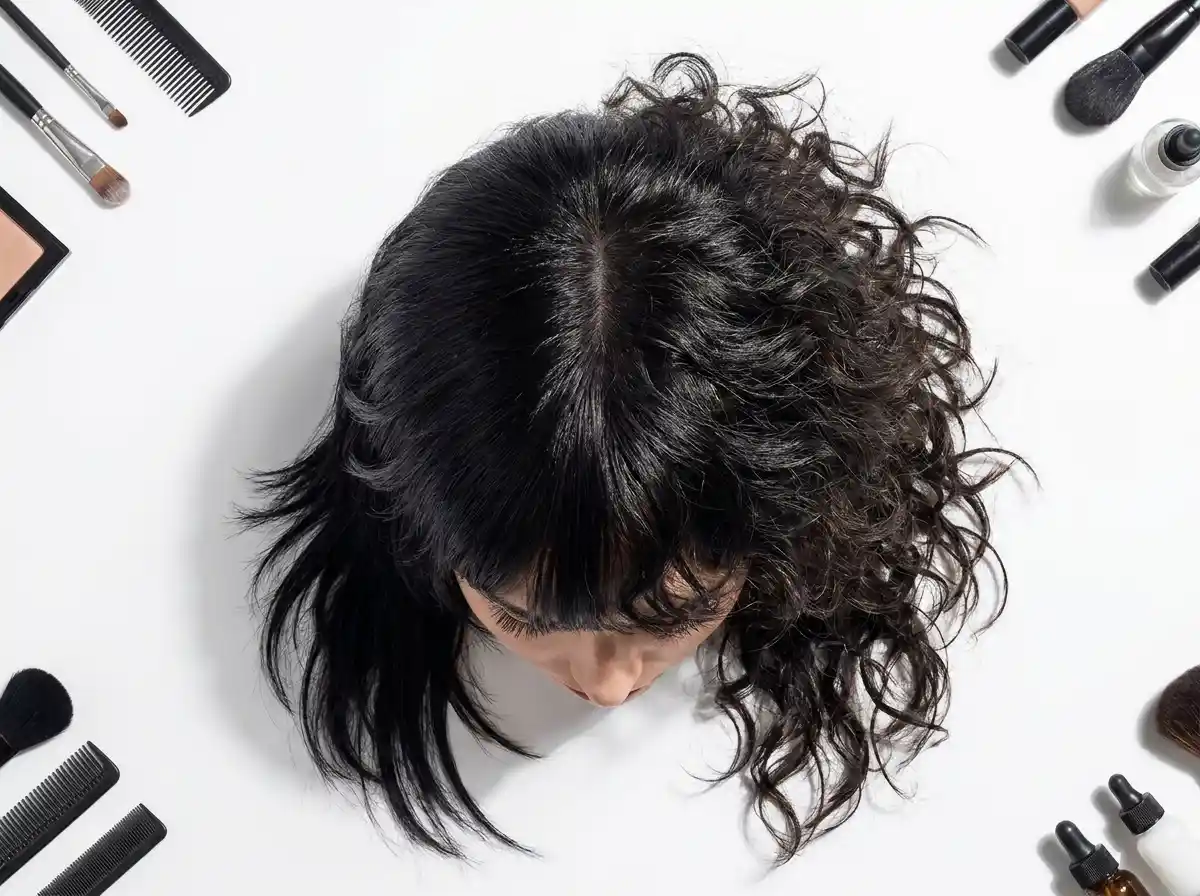
Face shape isn’t the only factor here. Your natural hair texture and thickness play a massive role in which of these two cuts will actually look good day-to-day without a team of stylists behind you.
Fine, straight hair tends to fare better with the Vampire Cut. The long, graduated layers add movement and create the illusion of thickness without removing too much weight — which is the danger with fine hair and the Wolf Cut’s heavy texturizing. The Wolf Cut on very fine hair can sometimes look a little thin and flat rather than voluminous.
Thick, straight hair handles both cuts well. The Vampire Cut will give you a sleek, dramatic result, while the Wolf Cut will use all that thickness to create serious volume and dimension. Either is a win.
Wavy hair is the sweet spot for both cuts. Wavy hair picks up the movement of the Vampire Cut’s layers and makes them look effortlessly styled, but it also thrives in the Wolf Cut’s shaggy texture — especially when you let it air-dry.
Curly and coily hair genuinely loves the Wolf Cut. The shaggy, disconnected layers work with the curl pattern rather than against it, reducing bulk and letting each curl spring up beautifully. The Vampire Cut can also work on curly hair, but it requires a dry cut to respect the curl shrinkage, and the V-point in the back needs an experienced hand to execute well on tight curls.
Styling the Vampire Cut: What to Expect Day-to-Day

One thing people don’t always think about before getting the Vampire Cut is the day-to-day styling commitment. It’s not a high-maintenance cut by any means, but it does look its best when you put in a little effort.
For the classic look, a blow-dry using a round brush will give you that sleek, cascading finish. Focus on smoothing the front layers around your face and flipping the ends slightly outward for that editorial feel. If you prefer waves, a large-barrel curling wand (1.5–2 inches) on the mid-lengths and ends creates gorgeous, effortless movement without looking overdone.
A lightweight serum or hair oil is your best friend with this cut — apply it to the ends before styling to keep the tips looking smooth and healthy. The V-point at the back is most striking when the hair is smooth, so if you’re going to air-dry, consider a quick pass with a flat iron at the back just to keep that shape sharp.
Day two and three hair? Absolutely still works. A dry shampoo at the roots and a loose braid or half-up style keeps things looking intentional even when you’re not freshly styled.
Styling the Wolf Cut: What to Expect Day-to-Day

One of the biggest selling points of the Wolf Cut is how ridiculously easy it is to style — or not style, depending on your mood. This cut was practically designed for people who don’t want to spend an hour on their hair every morning.
Air-drying is the Wolf Cut’s best friend. After washing, scrunch in a curl cream or texturizing mousse, flip your hair upside down for a minute to encourage volume at the roots, and let it dry naturally. The result is that signature lived-in, tousled look that makes the Wolf Cut so appealing. If your hair is straight, a light sea salt spray and a diffuser can give you that same textured finish.
For days when you want more polish, a quick blow-dry focusing on lifting the roots at the crown will give you that voluminous, bouncy feel. Finish with a light texturizing spray or paste through the ends to keep things from looking too done.
The Wolf Cut genuinely grows out gracefully. Unlike the Vampire Cut’s precise V-point, the Wolf’s shaggy layers don’t have a specific shape to maintain — so even at 10 or 12 weeks post-cut, it still looks stylish rather than just overgrown. This makes it a fantastic option if you’re not a regular salon person.
Vampire Cut vs Wolf Cut: Which One Should You Actually Get in 2026?
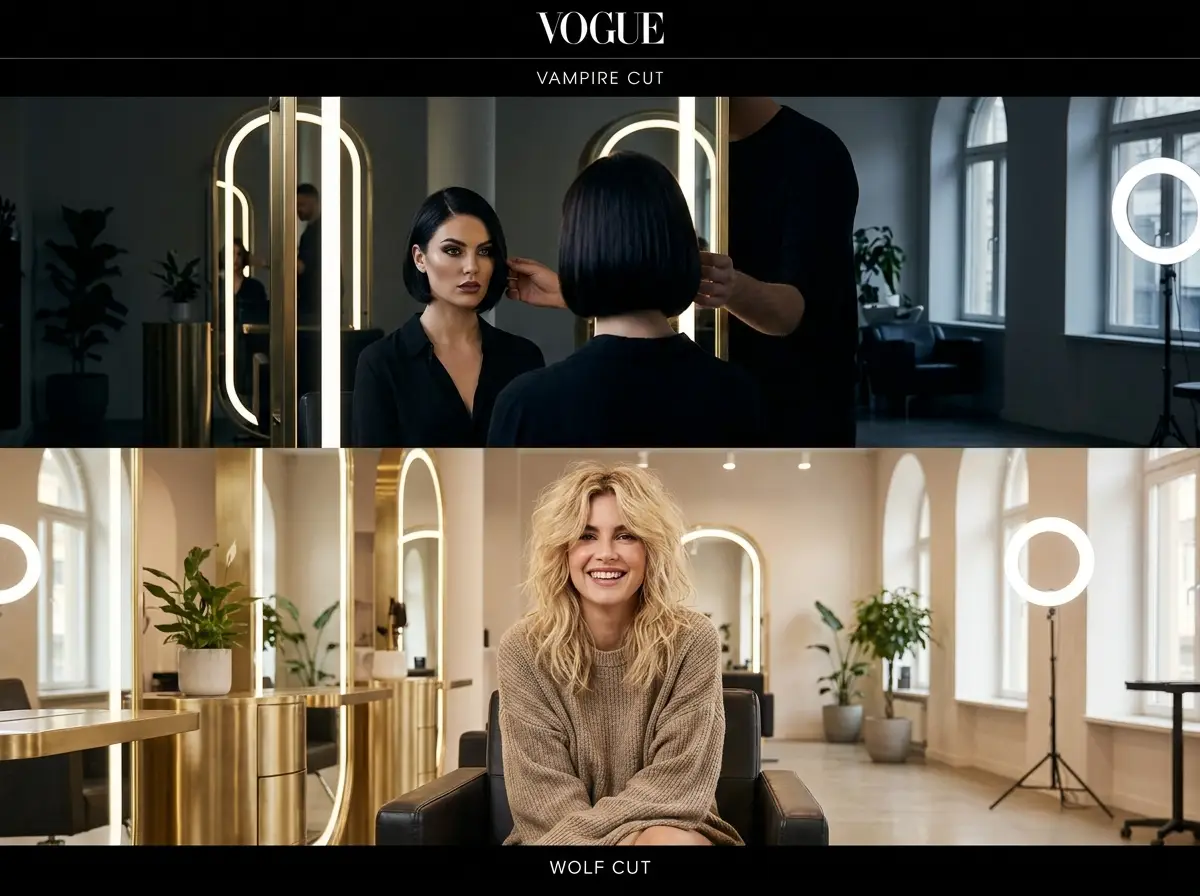
Here’s the honest answer: both are stunning cuts. But the right choice comes down to three things — your face shape, your hair texture, and your lifestyle.
Get the Vampire Cut if:
- You have an oval, heart, or long face shape
- Your hair is straight, fine-to-medium, or lightly wavy
- You enjoy styling your hair and like a polished, editorial look
- You want a dramatic, face-framing transformation that turns heads
- You’re okay with trims every 6–8 weeks to keep the V-point sharp
Get the Wolf Cut if:
- You have a round, square, or diamond face shape
- Your hair is thick, wavy, or curly
- You prefer low-maintenance, air-dry-friendly hair
- You love that effortless, textured, rock-and-roll vibe
- You want a cut that still looks great as it grows out
Can’t decide? In 2026, a growing number of stylists are offering a hybrid called the “Vamp Wolf” — a cut that borrows the Vampire’s face-framing V-layers and the Wolf’s crown volume and textured body. It’s the best of both worlds, and it works surprisingly well if you have wavy or medium-thickness hair. Ask your stylist specifically about blending the two techniques.
Frequently Asked Questions About Vampire Cut vs Wolf Cut
What is the difference between the Vampire Cut and the Wolf Cut?
The Vampire Cut features dramatic face-framing layers that taper to a V-shaped point in the back, creating a sleek, sharp silhouette. The Wolf Cut is a shaggier, more textured blend of a mullet and shag that adds volume and a lived-in feel. Both are layered cuts, but the Vampire is more polished while the Wolf is more effortlessly cool.
Which face shapes suit the Vampire Cut best?
The Vampire Cut works especially well on oval, heart, and long face shapes. Its deep V-back and face-framing layers elongate round faces beautifully, while the structured layers add definition to softer jawlines.
Is the Wolf Cut still trending in 2026?
Yes. The Wolf Cut has evolved in 2026 into cleaner, more refined versions that still keep the signature volume and texture but feel less overgrown. Stylists are now calling it the “Polished Wolf” — same DNA, sharper finish.
Can the Vampire Cut work on curly hair?
Absolutely. The Vampire Cut can look stunning on curly hair as long as the layers are cut dry or on curl. The V-shaped back adds definition and removes bulk, helping curls form better ringlets at the ends.
Which cut is lower maintenance — Vampire or Wolf?
The Wolf Cut is generally lower maintenance. Its intentionally undone, textured look means it grows out gracefully. The Vampire Cut has a more precise silhouette, so the V-point in the back can look grown-out faster and may need trims every 6–8 weeks to keep its shape.
Can I get both a Vampire Cut and a Wolf Cut at the same time?
Actually, yes — many stylists in 2026 are blending the two into a hybrid sometimes called the “Vamp Wolf.” It combines the Vampire Cut’s face-framing V-layers with the Wolf Cut’s body and texture, giving you drama and movement in one style.-
Final Thoughts Vampire Cut vs. Wolf Cut
At the end of the day, the Vampire Cut vs Wolf Cut debate doesn’t have a universal winner — it has the right answer for you specifically. The Vampire Cut is for the person who wants drama, precision, and a haircut that looks intentionally sculpted. The Wolf Cut is for the person who wants freedom, volume, and hair that looks gorgeous without trying too hard.
Take this article to your next salon appointment. Show your stylist your face shape, describe how much time you want to spend styling, and let them know which vibe resonates — sharp and sleek, or textured and free. In 2026, both of these cuts are having a major moment, and either one, done right for your features, will absolutely turn heads.
The best haircut isn’t the one that’s trending — it’s the one that works for you.